Screens & Sizes
Real inches, resolution, and viewing distance by model.
1 article
What size TV for 14.0 feet on 4K?
14 ft from the screen
98-inch
at the THX 40° viewing angle, on a 4K screen
| Recommended sizefor 4K at 14 ft | 98" |
|---|---|
| SMPTE 30° — cinema referencethe more conservative standard | 103" |
| THX 40° — immersiveTHX certification target for a home cinema | 140" |
| Largest before 4K pixels showpixel structure becomes visible closer than 0.8× the diagonal | 210" |
| Viewing distance168 inches · 4.27 m | 14 ft |
| Screen width at that size16:9 aspect ratio | 85.4" |
Notes
- Two different limits meet here, and most size charts only show one. The viewing angle decides how immersive the picture is: SMPTE puts the cinema reference at 30° of horizontal field of view, THX at 40°. Resolution decides how close you can sit before the picture stops looking like a picture and starts looking like pixels — about 1.6× the diagonal on 1080p, 0.8× on 4K, and 0.4× on 8K. At 14 feet, the viewing angle is the binding constraint — 4K resolution comfortably supports a screen up to 210 inches.
- This is why 4K changed the advice and 8K mostly has not. The old rule of sitting two to three diagonals back came from 1080p, where sitting closer showed the pixel grid. At 4K you can sit at roughly 0.8 diagonals with no visible structure, which is why the same room now takes a screen roughly twice the area. At 8K the limit moves again, but by then the viewing angle has become the constraint, and a screen big enough to exploit 8K at normal living-room distances is larger than most walls.
- Measure to where you actually sit, not to the middle of the room. The distance that matters is from the screen to the front of your eyes in your usual seat. On a sofa against a wall that is often a foot or two further than people estimate, and the recommendation moves by a whole size class.
- Bigger is the more common regret in the other direction. Surveys of home cinema owners consistently find the most frequent complaint is having bought too small, not too large. The practical brake is not the picture but the wall: measure the width you have, remembering a 98-inch 16:9 screen is about 85.4 inches wide before the bezel and stand.
TV size by viewing distance and resolution
64 calculations · browse all
- What size TV for 3.0 feet on ?
- What size TV for 3.0 feet on ?
- What size TV for 3.5 feet on ?
- What size TV for 4.0 feet on ?
- What size TV for 4.5 feet on ?
- What size TV for 5.0 feet on ?
- What size TV for 5.5 feet on ?
- What size TV for 6.0 feet on ?
- What size TV for 6.5 feet on ?
- What size TV for 7.0 feet on ?
- What size TV for 7.5 feet on ?
- What size TV for 8.0 feet on ?
- What size TV for 8.5 feet on ?
- What size TV for 9.0 feet on ?
- What size TV for 9.5 feet on ?
- What size TV for 10.0 feet on ?
- What size TV for 10.5 feet on ?
- What size TV for 10.5 feet on ?
- What size TV for 11.0 feet on ?
- What size TV for 11.5 feet on ?
- What size TV for 12.0 feet on ?
- What size TV for 14.5 feet on ?
- What size TV for 15.0 feet on ?
- What size TV for 15.5 feet on ?
- What size TV for 16.0 feet on ?
- What size TV for 16.5 feet on ?
- What size TV for 17.0 feet on ?
- What size TV for 17.5 feet on ?
- What size TV for 18.0 feet on ?
- What size TV for 22.0 feet on ?
- What size TV for 22.5 feet on ?
- What size TV for 23.0 feet on ?
- What size TV for 23.5 feet on ?
- What size TV for 24.0 feet on ?
- What size TV for 24.5 feet on ?
- What size TV for 25.0 feet on ?
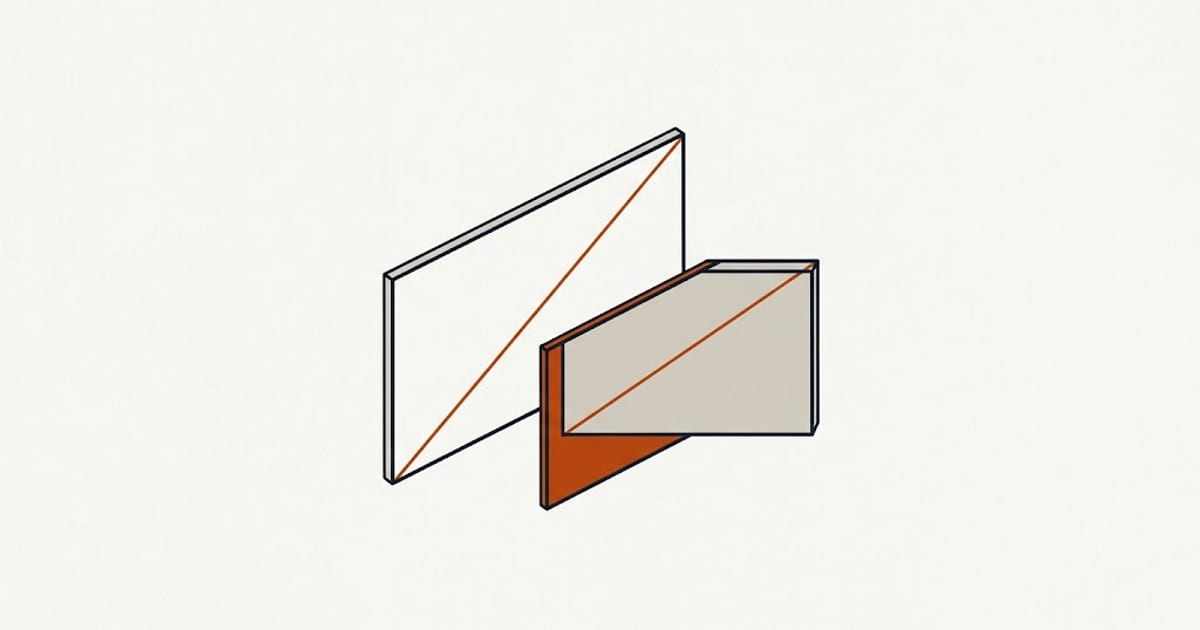 Screen Size in Inches: A Diagonal, Which Is Why Two 14-Inch Laptops Differ by 8% in Area
A 14-inch 3:2 display has 8% more area than a 14-inch 16:9 one. The diagonal is identical, and it is the only number anyone prints.